
TOP 10 Best Water Dispensers 2026
A water dispenser is a convenient appliance that provides easy access to drinking water, often offering various temperature options like hot, cold, and normal. Beyond simple hydration, modern water dispensers integrate advanced cooling and heating technologies, and some even incorporate purification systems, making them a versatile addition to homes, offices, and commercial spaces.


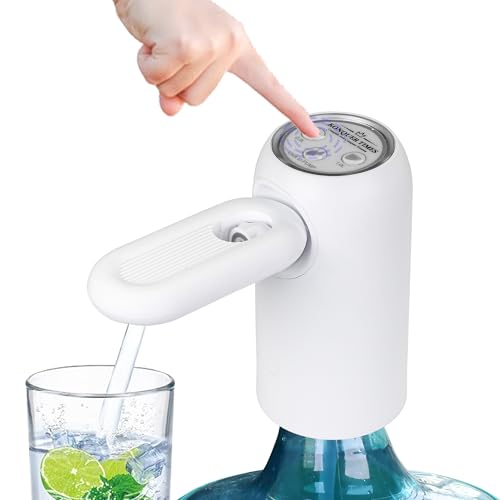
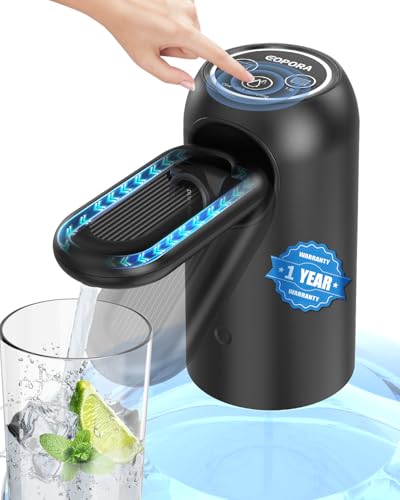


Whether you’re looking to minimize plastic bottle usage, save time on boiling water, or simply have chilled water on demand, choosing the right water dispenser requires understanding the different types and their features.
This buying guide will help you navigate the options, ensuring you select a water dispenser that perfectly fits your lifestyle and hydration needs.
What to Look for When Choosing a Water Dispenser
1. Type of Water Dispenser: Source and Placement
The fundamental choice revolves around how the dispenser receives its water and where it will be placed.
How it works: Uses large, replaceable water bottles (typically 5-gallon or 20-liter) inverted and placed on top or loaded into a bottom compartment.
Pros:
- Easy to install: Simply plug in and load the bottle; no plumbing required.
- Flexible placement: Can be placed almost anywhere with a power outlet.
- Portable: Can be moved between rooms or even to different locations easily.
- Known water source: You control the quality of the bottled water you purchase.
Cons:
- Requires regular bottle replacement: Involves heavy lifting for top-load models and storage space for empty/full bottles.
- Ongoing cost: Continuous expense for bottled water deliveries.
- Environmental impact: Though bottles are often returnable/reusable, there’s still a carbon footprint associated with production and delivery.
Top-Load: Bottle is inverted and placed on top. Simple, but heavy lifting.
Bottom-Load: Bottle is placed in a cabinet at the bottom and water is pumped up. Easier to load, hides the bottle for a cleaner look.
How it works: Connects directly to your home’s main water supply, filtering and chilling/heating the water as needed.
Pros:
- Unlimited supply: Continuous access to water without bottle changes.
- Environmentally friendly: Significantly reduces plastic waste from bottles.
- Cost-effective long-term: Eliminates ongoing bottled water expenses.
- Space-saving: No need to store bottles.
- Integrated filtration: Often includes multi-stage filtration (sediment, carbon, sometimes RO/UV) for purified water directly from the tap.
Cons:
- Requires plumbing: Needs a direct connection to a water line, which may require professional installation.
- Less flexible placement: Limited to locations near a water source.
- Higher upfront cost: Typically more expensive to purchase and install.
Freestanding: Larger, standalone units that sit on the floor.
Countertop: Compact units designed to sit on kitchen counters or desks.
Undercounter / Integrated Taps: The main unit sits under the sink, with only a small tap visible on the countertop (often for boiling/chilled/sparkling options).
2. Dispensing Options: Hot, Cold, Normal, and More
Modern dispensers offer a range of temperature options to suit various needs.
- Normal (Ambient) Water – Dispenses water at room temperature. Standard on almost all models.
- Cold (Chilled) Water – Dispenses water cooled by a refrigeration unit. The primary reason many buy a dispenser.
- Hot Water – Dispenses water heated by an internal heating element.
- Typical Temperatures – Usually between 85°C – 95°C (for tea, coffee, instant noodles). Some premium models offer near-boiling (99°C) or specific temperatures (e.g., 40°C for baby formula).
- Safety – Look for child safety locks on the hot water tap to prevent accidental scalding.
- Sparkling Water – Some advanced plumbed-in models include a carbonation system to dispense chilled sparkling water.
- Flavored Water – A few high-end commercial or smart models allow for the addition of flavor concentrates.
3. Cooling and Heating Technologies: Efficiency and Performance
Compressor Cooling – Most effective and common method for cold water. Uses a refrigerant and compressor, similar to a refrigerator. Provides consistently colder water, faster cooling, and higher volume.
Thermoelectric Cooling (Peltier Cooling) – A solid-state device that transfers heat. More common in smaller, cheaper models. Offers less powerful cooling and is less efficient than compressor cooling, but quieter and has no moving parts.
Heating Element with Hot Tank – Water is heated by an electric element and stored in an insulated hot tank.
Instant Heating – Found in some high-end plumbed-in dispensers, providing hot water on demand without a storage tank, leading to higher efficiency for intermittent hot water use.
- Look for Energy Star certification (where applicable) or high energy efficiency ratings.
- Features like separate on/off switches for hot and cold functions can help conserve energy when not needed.
- Sleep Mode/Eco Mode: Automatically turns off heating/cooling during idle periods or at night.
4. Integrated Purification Systems
A major advantage of plumbed-in dispensers, and increasingly found in bottled models too.
- Filtration Stages – Most plumbed-in dispensers include multi-stage filtration:
- Sediment Filter – Removes dirt, rust, and larger particles.
- Activated Carbon Filter – Removes chlorine, odors, and improves taste.
- UV Purification (Firewall Technology by Waterlogic, etc.) – Uses UV light to kill bacteria and viruses, often at the dispensing nozzle for extra hygiene.
- RO (Reverse Osmosis) – Found in higher-end plumbed-in purifiers, essential for removing TDS, heavy metals, and chemicals from hard water.
- Maintenance – Filters need regular replacement (e.g., every 6-12 months). Factor in the cost of replacement filters and professional servicing.
5. Safety Features
Crucial, especially for hot water dispensing.
- Child Safety Lock – Essential for hot water taps to prevent accidental burns or scalding.
- Overheat Protection – Automatically shuts off the heating element if the water temperature becomes too high.
- Anti-Leak/Leak Detection – Prevents water leakage from the unit, with some having an alarm or automatic shut-off.
- Food-Grade Materials – Ensure all parts that come into contact with water are made from food-grade stainless steel or BPA-free plastics.
- Electrical Safety Certifications – Look for national safety certifications (e.g., ISI in India, UL, CE) to ensure electrical compliance.
6. Convenience and Design
- Loading Mechanism – Bottom-load for bottled dispensers is much easier.
- Digital Display & Controls – For precise temperature settings, mode selection, and filter life indicators.
- Indicator Lights – For heating, cooling, power, and low water levels.
- Removable Drip Tray – Easy to clean and catches spills.
- Night Light – For visibility in low light.
- Touchless Dispensing – (Emerging) Uses sensors or foot pedals for hands-free operation, enhancing hygiene.
- Aesthetics – Choose a design (color, finish) that complements your home or office decor.
Conclusion
A water dispenser offers unparalleled convenience for accessing hot, cold, or normal water on demand. By first determining whether a bottled (flexible placement) or plumbed-in (unlimited supply, often with purification) model suits your needs, and then prioritizing the desired dispensing options (hot, cold, sparkling), you can narrow down your choice. Always look for robust safety features (especially child locks for hot water), consider the energy efficiency of its cooling/heating technology, and factor in the maintenance requirements of its filtration system. The right water dispenser will not only keep you hydrated but also enhance the functionality and style of your space.