
TOP 10 Best Thermometers 2026
Thermometers, indispensable tools in our daily lives, play a crucial role in maintaining our health and wellbeing. They are devices used to measure temperature, from ensuring our comfort at home to confirming a fever during illness. Thermometers come in various types, each with its unique features and specific uses. Some are best for home use, others for medical professionals, and some are ideal for specific age groups. This guide will explore the main types of thermometers, their best uses, and the key features to consider when buying one.


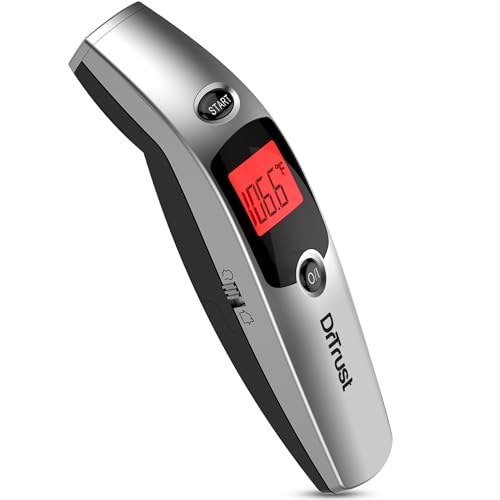


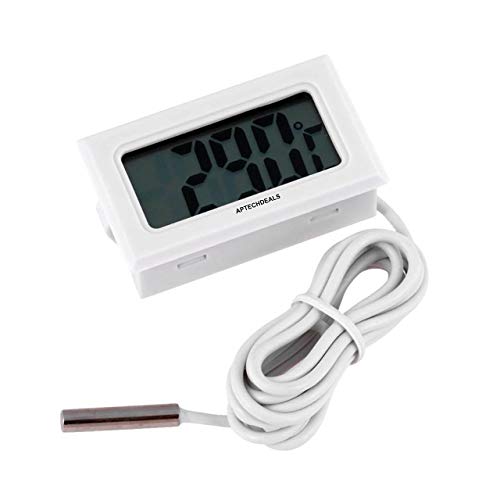

There are several types of thermometers, each designed to suit specific needs:
Each of these thermometers has its advantages and specific uses, so choose one based on your specific needs, comfort, and the age of the person for whom you are taking the temperature.
Accurate temperature readings are of paramount importance for various reasons. Firstly, in a medical context, they function as a vital sign that can signal the presence of health issues such as infections or serious illnesses. When monitoring a fever, accurate readings enable healthcare professionals and caregivers to determine the severity of the condition, guiding the appropriate treatment steps. Secondly, in a non-medical setting such as cooking or environmental control, precision in temperature measurement is equally significant. It ensures food is cooked to the correct temperature for safety and taste, while maintaining optimal and comfortable home or work environments. Hence, investing in a reliable and accurate thermometer is critical for both health and comfort.
When purchasing a thermometer, several factors need to be considered to ensure that you choose the best one for your specific needs:
- Accuracy: This is the most critical factor. Whether it’s for medical use or in a non-medical context, the thermometer should provide precise and consistent readings.
- Speed of results: Some thermometers provide instant readings, while others may take a few minutes. If you need results quickly, check the product details for the time it takes to get a reading.
- Ease of use: The thermometer should be simple to use, with clear instructions. Features like backlit screens or beep alerts for completed readings can be very useful.

- Comfort: Comfort is crucial when choosing a thermometer, especially for children. Non-contact or forehead thermometers may be a good choice if the patient is a child or someone who might be bothered by the discomfort of an oral or rectal thermometer.
- Price: While you may be tempted to go for the cheapest option, remember that reliability and accuracy should not be compromised. A more expensive thermometer may offer added features such as memory recall for previous readings, auto shut-off to conserve battery life, or a larger display for easier reading.
- Age of the patient: Some thermometers are better suited for certain age groups. For example, rectal thermometers are recommended for infants, while oral thermometers are ideal for older children and adults.
- Purpose: If you are a health professional, you might need a high-end thermometer capable of providing the most accurate reading. For home use, a less expensive but reliable option could be a better fit.
- Brand: Consider reputable brands that are trusted by healthcare professionals. Check user reviews and ratings to gauge product reliability.
Remember, the best thermometer for you depends on your specific needs and the factors listed above.
Maintenance tips
The correct storage and maintenance of any thermometer is also essential for its accurate functioning. Always make sure to store them away from direct sunlight and keep them clean for the most reliable readings. After use, wipe away any moisture off the thermometer with a tissue or cloth before putting it away in its original packaging. With proper care, your thermometer can provide accurate temperature readings for many years to come.
Conclusion
In conclusion, selecting the right thermometer depends on your specific needs and circumstances. Whether it’s an oral thermometer for its convenience, a digital ear thermometer for quick readings, a forehead thermometer for contactless use, or a non-contact thermometer for measuring the temperature of objects, each type has its unique benefits. Remember, the maintenance of your thermometer is also crucial to ensure the accuracy of its readings. By considering these key aspects, you can make an informed decision when purchasing a thermometer – a small yet essential device that contributes to your health and well-being.