
TOP 10 Best Pressure Cookers 2026
While all pressure cookers function in a similar way, some are better made and come with useful extra features that make cooking safer, easier, and more versatile. In this guide, we cover everything you should know to make an informed purchase.



Types of pressure cookers
Depending on their construction, pressure cookers can be divided into three main groups. Regardless of which type you buy, they all work by using steam pressure to raise the cooking temperature above boiling point.
Stovetop pressure cookers
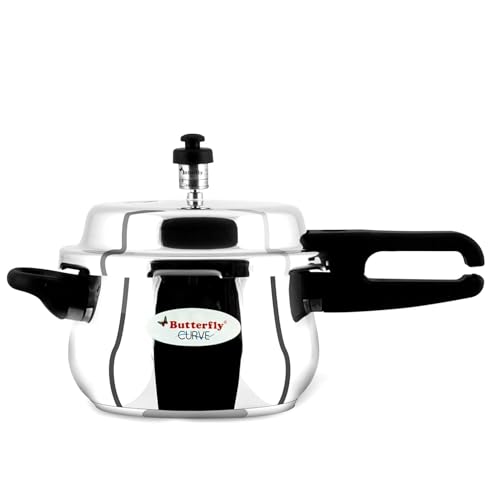
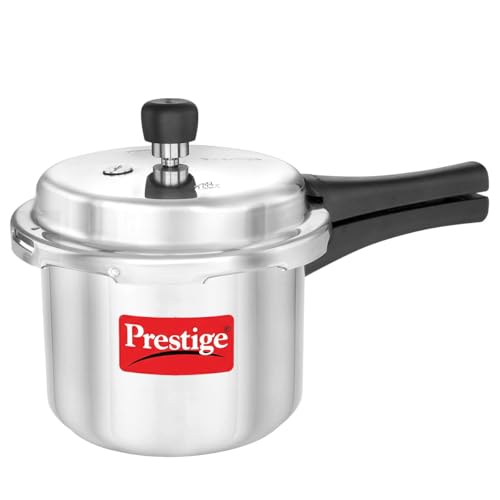
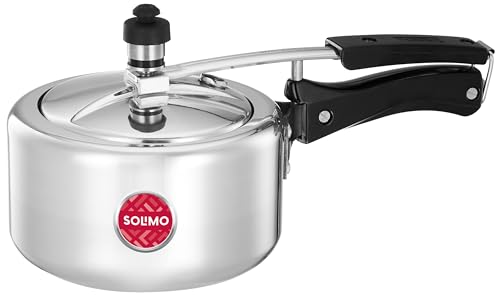
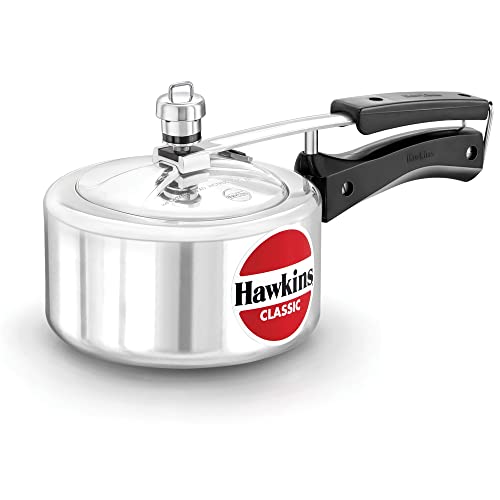
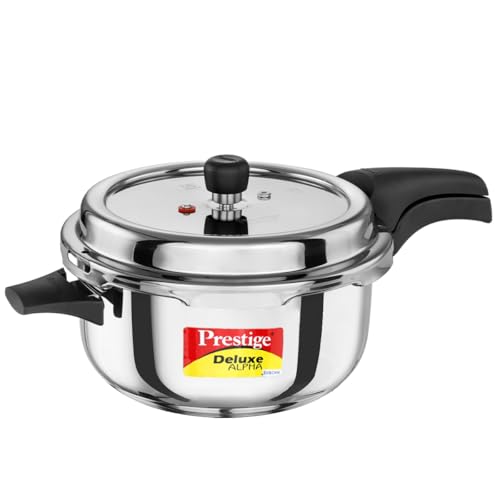
Stovetop pressure cookers look like geared-up saucepans. Typically made of aluminium or stainless steel, these pans are the most affordable, but you’ll have to monitor the heat to ensure your meal turns out as expected. Stovetop models can also achieve higher pressure levels which result in faster cooking compared to electric models.
Electric pressure cookers
Electric pressure cookers give you more autonomy. You simply have to select the desired cooking settings and the machine will do the rest, signalling when the food is ready. Besides, electric models come in plenty of different variants. Many not only cook under pressure but also sauté, steam, and simmer. Some high-end pressure cookers can also function as rice cookers, yoghurt makers, or slow cookers.
Microwave pressure cookers
Microwave pressure cookers are usually smaller than the other two types as they must fit into a standard microwave. The capacity is typically optimal for 1-2 people but might be too small for a larger family. Microwave models are usually made of silicone; thus, they are easy to store and clean (most are dishwasher-safe). Another advantage is that the necessary pressure and temperature are achieved very quickly in a microwave, resulting in ultra-fast cooking.
How does a pressure cooker work?

All pressure cookers have a compartment that can be sealed. After adding products and cooking liquid, you tightly close the lid. As the cooking process begins and the temperature rises, the steam cannot escape, building up the pressure in the pot. And the higher the atmospheric pressure is, the higher the water boiling temperature becomes.
This allows you to cook at temperatures above 100 °C, and your meal gets ready faster. An average pressure cooker can reduce the cooking time by two-thirds compared to conventional methods.
Pros and cons of pressure cookers
With so many trendy cooking appliances competing for the space in your kitchen, it makes sense to evaluate the potential gains and downsides of every unit purchased. Here’s the ultimate list of advantages you can expect from a pressure cooker:
- Pressure cookers save massive amounts of time, and the products are always tender and evenly cooked.
- Shorter cooking times also mean energy savings. The estimations show that you can save up to 70% of gas/electricity and water with a pressure cooker compared to traditional cooking.
- Saving energy also means lower bills. And you can use the money saved on pressure-cooking some special delicacies.
- Modern pressure washers have tried and tested safety features. Therefore, you don’t have to worry about eruptions, explosions, or getting burned by steam.
- Since the pot is tightly sealed, the vitamins and minerals present in the food are preserved better, providing more nutritious meals. If you don’t care about the health aspects, you’ll be happy to know that the tight seal also enhances aromas and flavours.
- Cooking at higher temperatures effectively destroys potential bacteria or viruses in the food, minimising any food safety risks.
However, no kitchen appliance is perfect. Consider some pressure-cooking-related challenges before you buy:
- You won’t be able to gauge the food or adjust flavour while cooking; thus, some trial and error is expected until you’ll get used to your cooker
- Not all types of food turn out well in a pressure cooker. This is especially true with stovetop models where you have limited control over the pressure level.
- Over time, your pressure cooker may involve some additional costs, such as renewing the sealing ring.
- Quality pressure cookers are pricey. The cheap models often don’t function well and don’t last long.
How to choose the best pressure cooker?
While pressure cookers are not complex, there are a few things to consider for finding the best model for your kitchen. These involve cooking capacity, construction quality, safety features, and cooking settings.
Size

To figure out the needed pot size, calculate at least 1 litre per person in your household. Many people nowadays also prefer to cook for a few days ahead. In such a case, you can calculate some extra capacity, too. For example, an average family of 3-4 people will do well with a pressure cooker of 6-8 litres. While that can sound an awful lot, it is recommended to fill only 1/2-2/3 of the pressure cooker (depending on the product cooked). Thus, the amount of food prepared is always lower than the pan’s total capacity.
Materials
The two most common materials used for stovetop pressure cookers are aluminium and stainless steel. While aluminium cookers are cheaper, we advise sticking to stainless steel. It is much sturdier, and your pot will last longer. Furthermore, aluminium can react with acidic foods (like tomatoes) and change their flavour.
You will see numbers, such as 18/10 on stainless steel cookware. The first number describes the percentage of chromium in the alloy and the second – the percentage of nickel. The higher the grade, the more resistant your item will be towards rust and acids; thus, aim high. The highest grade used in kitchenware is 18/10. Stainless steel pots often have a bottom disc, featuring a layer of aluminium for better conductivity.
Multiple pressure settings
More expensive pressure cookers usually have more than one temperature setting.. We don’t recommend cashing out on a model with 8-10 of them because you won’t need that many. But a good pressure cooker should have at least 2-3 modes. Higher pressure helps to cook quicker, especially when it comes to denser products. A lower-pressure setting saves energy and works best for heating the food up or for more delicate products, such as fish, eggs, or leafy greens.
Pressure indicator
A pressure indicator shows when it is safe to open the lid. Such indicators can be of various types; for example, there can be a pin that pops up or a gauge. You should never try to open the device before checking the pressure indicator and ensuring it is safe to do so.
Cover-locking system
Modern pressure cookers usually have more than one locking mechanism to ensure high safety during the cooking process. Look for a model with a solid locking lid rather than one that simply can be twisted onto the pot.
Quick-release valve
As the name suggests, this feature allows quickly releasing the pressure from the pot after cooking is done. This means you won’t have to wait for the pot to cool down, and you’ll be able to get to the eating part quickly.
Steam basket

Steam baskets are useful as they prevent some products (e.g., vegetables) from soaking up too much water from the bottom of the pot. Baskets with dividers also allow cooking several foods simultaneously. Some pressure cookers come with a compatible steam basket included. However, you can use any basket, provided it completely fits inside and is made of a heat-resistant material.
Delayed start function
Most electric pressure cookers come with a delay timer that gives you the freedom to choose when the food should be ready. Some timers can be as long as 24 hours; thus, you can prepare the necessary ingredients even a day in advance.
Keep-warm function
This is another feature available only on electric pressure cookers. Once your meal is ready, the appliance will maintain a higher temperature until you open the lid. Some models can keep your food warm for up to 10 hours.
Auto shut-off
Auto shut-off is a safety feature of electric pressure cookers to prevent overheating. They have sensors that will turn the device off if something goes wrong and the temperature rises too high.
Ease of use
Stovetop pressure cookers have cool features, too! Some have foldable handles that make storage easier. High-end models may have built-in thermometers or several pressure levels to choose from. Another helpful feature is a two-valve mechanism. If one of the valves gets blocked, the second one will relieve the pressure.