
TOP 10 Best Noiseless Ceiling Fans 2026
A ceiling fan is an essential appliance for circulating air and providing comfort, especially in warmer climates. However, few things are as disruptive as a noisy ceiling fan, whether it’s a persistent hum, a rhythmic click, or an annoying wobble. While achieving a truly “noiseless” fan is practically impossible due to the physics of moving air and mechanical parts, advancements in motor technology and design have made exceptionally quiet ceiling fans a reality.

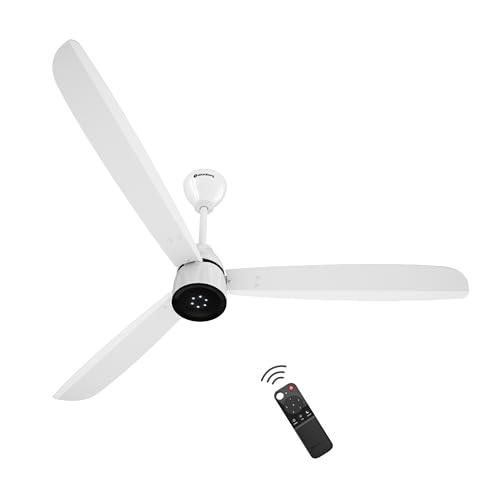


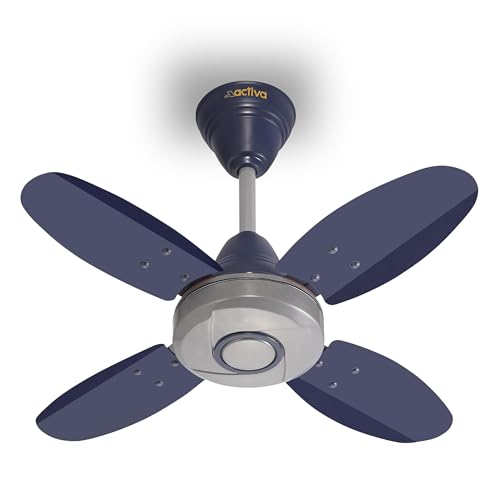

To minimize noise, pay close attention to the fan’s core components, design, and certain key features.
Motor Type: The Heart of Quiet Operation
The motor is the primary source of operational noise. Your choice here is crucial for quiet performance.
DC (Direct Current) Motors / BLDC (Brushless Direct Current) Motors: These are the gold standard for quiet operation and energy efficiency.
Pros: They are significantly quieter than traditional AC motors, often described as “virtually silent.” They consume up to 70% less electricity, offer a wider range of speed options (typically 6 or more), and have a longer lifespan due to less friction. They also generate less heat and are better suited for smart features and remote control.
Cons: Generally come with a higher upfront cost compared to AC motor fans.
AC (Alternating Current) Motors:
Pros: More affordable initially, highly reliable, and widely available.
Cons: Can produce a slight humming or buzzing noise, especially at lower speeds or when used with incompatible dimmer switches. They usually have fewer speed settings (3-4).
Recommendation: If quietness is your top priority, always opt for a DC or BLDC motor fan.
Blade Design, Material, and Balance
The blades are responsible for moving air, and their characteristics heavily influence aerodynamic noise.
Blade Material:
Plastic (e.g., ABS plastic): Often the quietest option due to their lightweight nature, which reduces strain on the motor and minimizes vibrations. They are also resistant to warping in humid conditions.
Wood: Generally quieter than metal blades, offering a classic aesthetic. Quality wood resists warping, but can be more susceptible to environmental factors than plastic.
Metal: Can move a lot of air but are typically the noisier option due to their hardness and weight, especially at higher speeds.
Design:
Aerodynamic Design: Look for blades with aerodynamic shapes, such as curved, tapered, or wingtip designs. These are engineered to minimize air resistance and turbulence, which directly reduces “whooshing” or “wind-cutting” noise.
Blade Pitch (Angle): A well-designed blade pitch, typically between 12 to 15 degrees, ensures efficient air movement without straining the motor, thus contributing to quieter operation.
Number of Blades: While fewer blades (3) can sometimes be more efficient at moving air, fans with more blades (4 or 5) tend to be quieter. More blades distribute the load more evenly and produce a smoother, less choppy airflow.
Blade Balance: This is critical. Manufacturing inconsistencies or minor warping can lead to unbalanced blades, causing wobbling, clicking, and thumping noises. Reputable brands invest in precision balancing.
Noise Level Rating (Decibels – dB)
While not all manufacturers provide a specific decibel rating, if available, this is the most direct indicator of quietness.
- “Whisper Quiet”: Aim for a fan with a noise level under 35 dB on its lowest settings. This is comparable to rustling leaves or a quiet library.
- “Quiet”: A fan operating between 35-45 dB is generally considered quiet for a living space or bedroom.
- Beware: Manufacturer claims can sometimes be optimistic. Read reviews from actual users for real-world noise performance.
Build Quality and Installation
Even the quietest motor and best blades can be noisy if the fan isn’t well-built or properly installed.
Motor Housing and Bearings: A high-quality motor assembly with well-sealed, lubricated bearings reduces friction noise. Many modern DC motors have permanently sealed bearings that require no oiling.
Tight Construction: A well-built fan will have tight fittings and secure connections, minimizing rattles and vibrations.
Professional Installation: Crucially, proper installation by a qualified electrician is paramount. A fan that is improperly mounted, has loose screws, or an unbalanced mounting bracket will almost certainly make noise, regardless of its inherent quietness. Ensure the mounting brace is securely fastened to a ceiling joist.
Anti-Vibration Mounts: Some premium fans may include anti-vibration pads or isolating mounts to further reduce noise transmission to the ceiling structure.
Control Options
Remote Control: Most quiet fans with DC motors come with a remote control, allowing for precise speed adjustments (often 6+ speeds) and easy access to features like timers and reverse functions. This helps avoid the noisy clicks of pull chains.
Smart Features: Wi-Fi connectivity and app control (via Google Assistant, Alexa, etc.) offer convenient control and often allow for custom scheduling and fine-tuning of speed, which can help maintain quiet operation.
Conclusion
A truly “noiseless” ceiling fan is about minimizing audible distractions, and modern advancements have made incredibly quiet options accessible. By prioritizing fans with DC or BLDC motors, focusing on aerodynamic and well-balanced plastic or wooden blades, checking for low decibel ratings, and ensuring professional installation, you can create a serene and comfortable environment in your home. Invest in quality components and thoughtful design, and you’ll enjoy the gentle breeze of your ceiling fan without the irritating hum or rattle.