
Best Grow Lights – Top 10 in 2026
Grow lights help plants grow indoors by providing the needed light. They are popular among gardeners and plant enthusiasts. This guide will help you choose the right grow lights. Many types of grow lights exist, and each serves a different purpose. We will guide you through understanding these options.





What is grow lights?
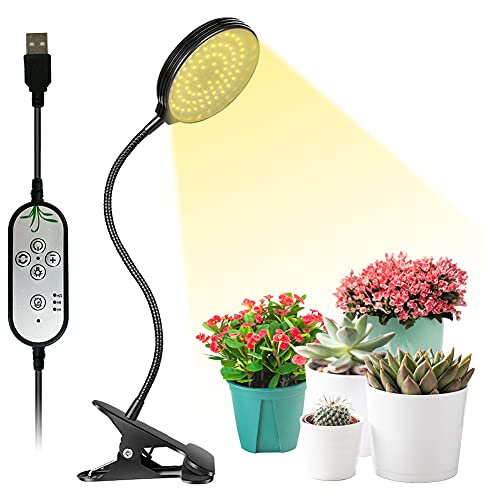
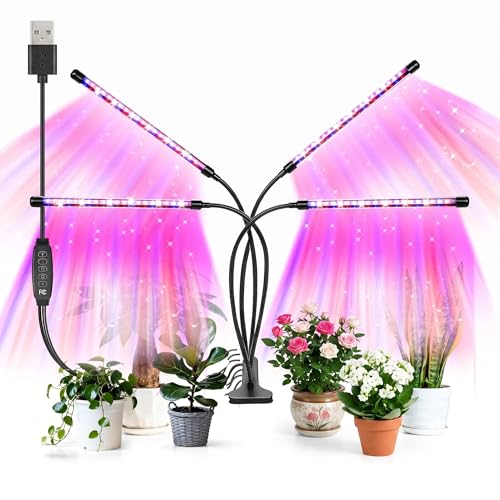
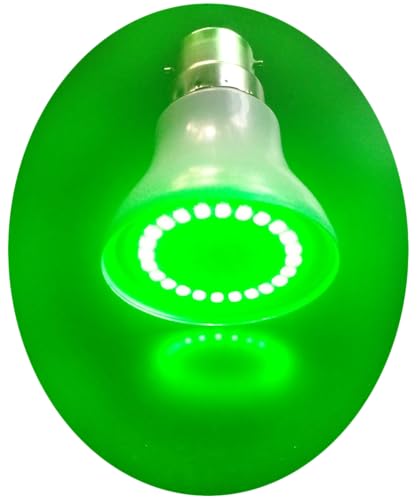
Grow lights are special lights for growing plants indoors. They mimic sunlight, helping plants photosynthesize. With grow lights, you can grow plants all year round, regardless of the weather. These lights can improve plant growth and yield.
What are types of grow lights?
LED Grow Lights
LED grow lights are energy-efficient and long-lasting. They produce little heat, making them suitable for small spaces.
- Pros: Energy-efficient, Long lifespan.
- Cons: Higher initial cost.
Fluorescent Grow Lights
Fluorescent lights are good for seedlings and indoor gardens. They are less expensive than LEDs.
- Pros: Affordable, Good for small plants.
- Cons: Shorter lifespan, More heat output.
HID Grow Lights
HID (High-Intensity Discharge) lights are very bright, perfect for larger plants. They need special equipment to operate safely.
- Pros: Very bright, Promotes strong growth.
- Cons: Generates heat, Needs extra equipment.
Benefits of having grow lights
- Extended growing season: Plants can grow indoors throughout the year.
- Faster growth: Plants receive optimal light conditions for rapid growth.
- More control: Adjust lighting to suit plant needs at different stages.
- Space-saving: Grow plants in small areas like apartments.
- Better yield: Boosts plant health for more abundant harvests.
They also help you simplify daily chores and improve living conditions.
Things to consider when buying grow lights
Light Spectrum
Look for lights that cover the full spectrum. This helps plants at all growth stages. A full spectrum promotes healthy and balanced plant growth.
Light Intensity
Strong light intensity ensures plants receive enough energy. Check lumens and wattage to gauge intensity. More intense light supports faster plant development.
Energy Efficiency
Energy-efficient lights save on electricity costs. Choose LEDs for the best efficiency. They are cost-effective over time.
Heat Output
Too much heat can harm plants. Select lights with minimal heat emission. This protects your plants from overheating.
Size and Coverage
Consider the size of your space. Ensure the light covers your planting area. Proper size ensures even light distribution.
Durability
Look for lights made from sturdy materials. Durable lights last longer, providing better value. They withstand continuous use.
Adjustability
Adjustable lights let you change height and angle. This flexibility adapts to plant growth stages. Ensures optimal light conditions.
How to choose the best product for your needs?
- Evaluate your space: Consider how much area you need to cover and select lights that will suffice.
- Check plant needs: Different plants need different light types, so find what’s best for what you plan to grow.
- Factor in cost and savings: While LED might be costly upfront, they save more energy and last longer.
- Measure light intensity: Ensure the lights provide the lumens your plants require.
- Consider future growth: Plants grow, and so do their light needs. Adjustable lights cater to this.
- Research reviews: Feedback can provide insight into the suitability and reliability of the lights.
- Seek professional advice: If unsure, consult experts to ensure you make the best choice.
Conclusion
This buying guide has given you the essentials for choosing grow lights. Consider your space, plant needs, and the types of lights available. With this knowledge, you can make an informed choice for your indoor garden. Making the right choice can lead to beautiful, healthy plants. Now, find the grow lights that suit you best and begin your gardening journey.